Entire communities in Jamaica are demolished or isolated by direct hit from Hurricane Melissa."Communities and towns no longer look the same," said the Prime Minister.
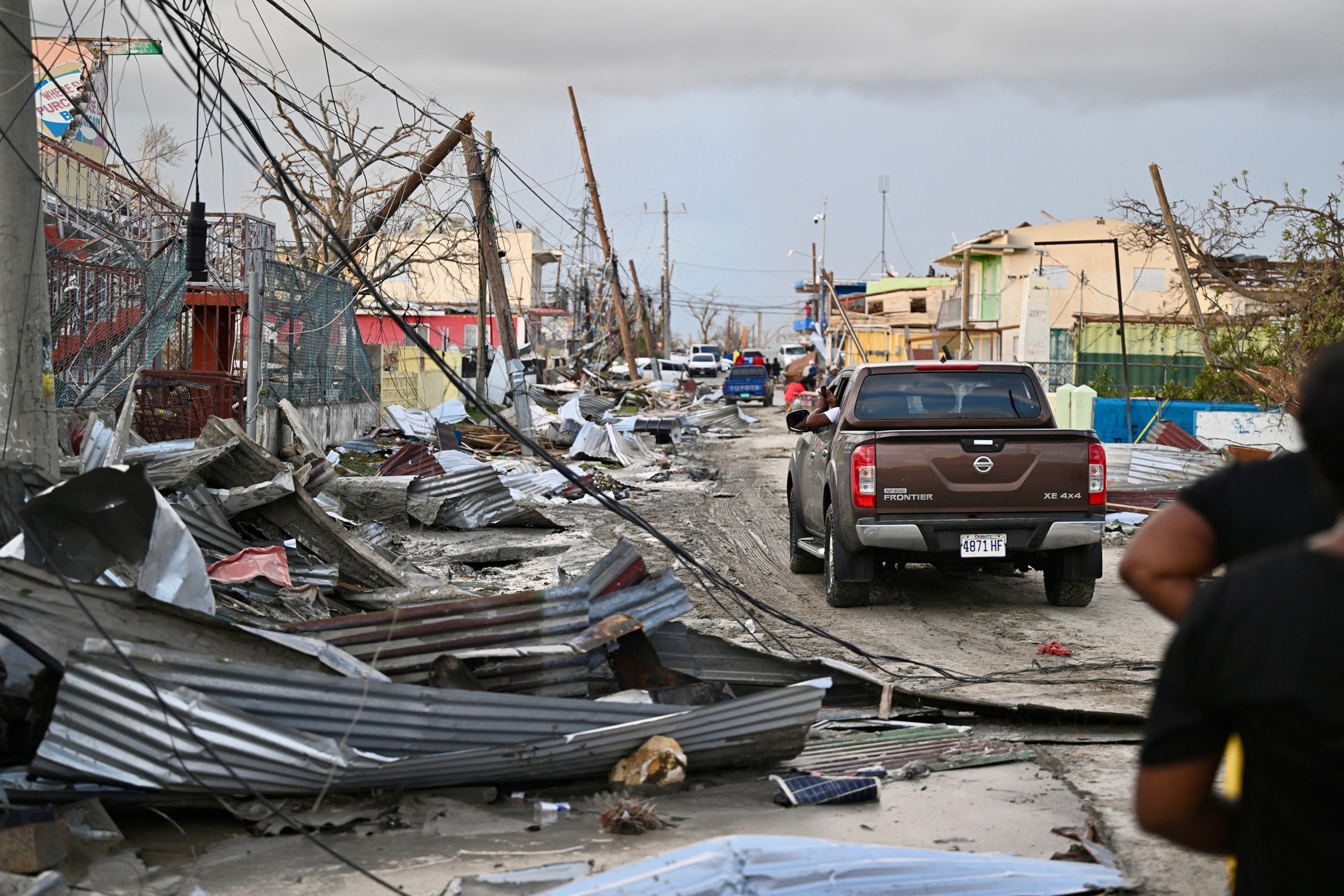
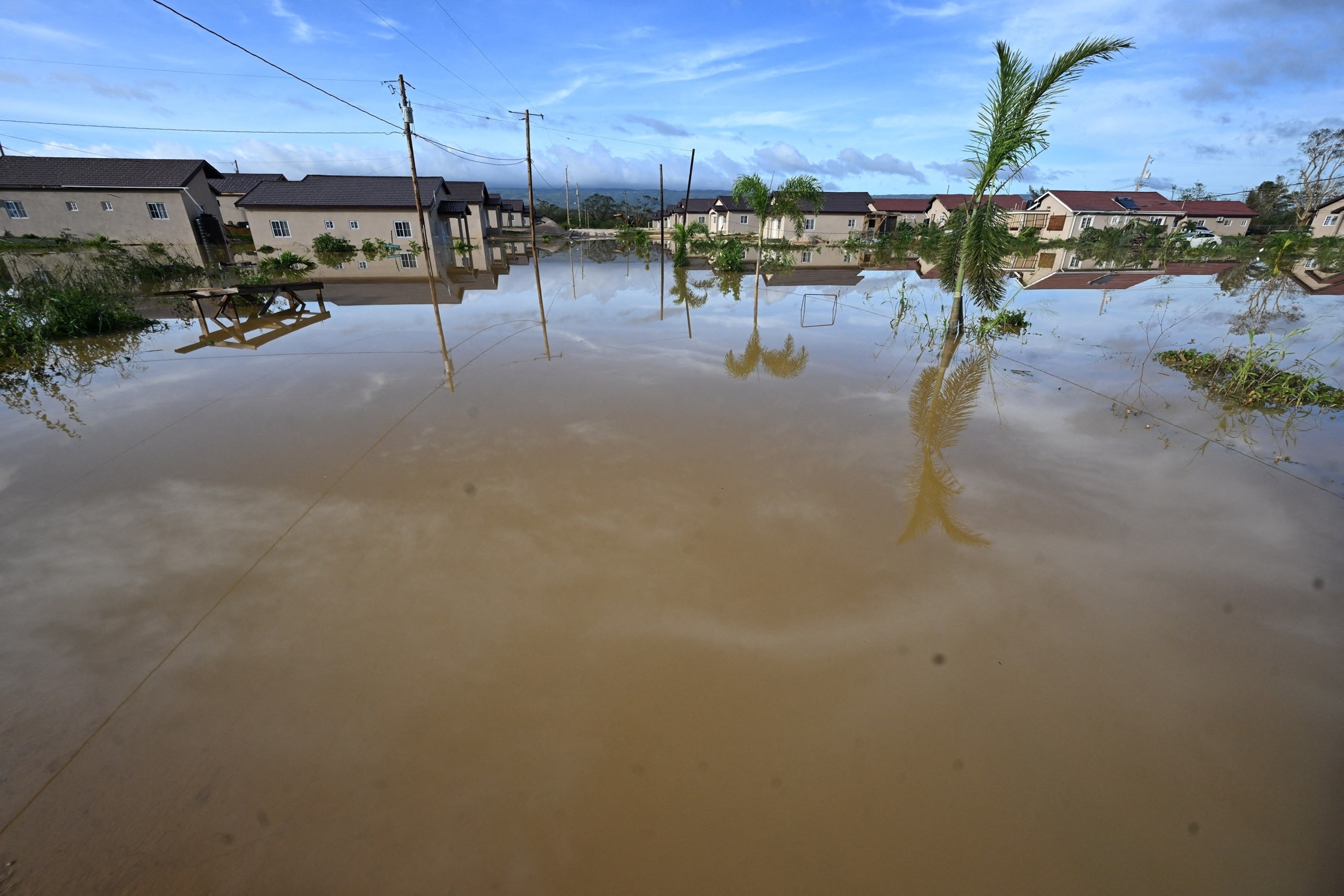
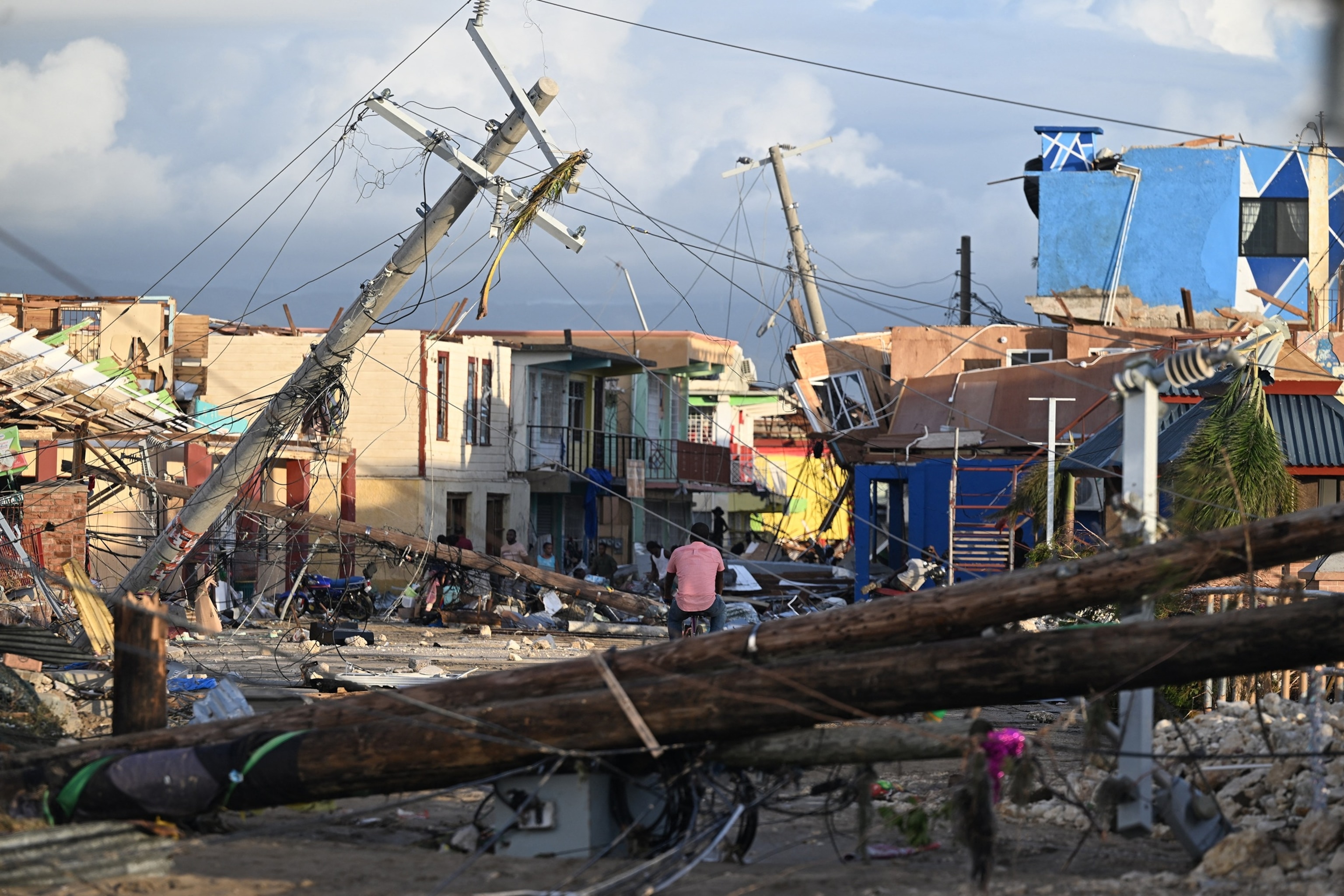
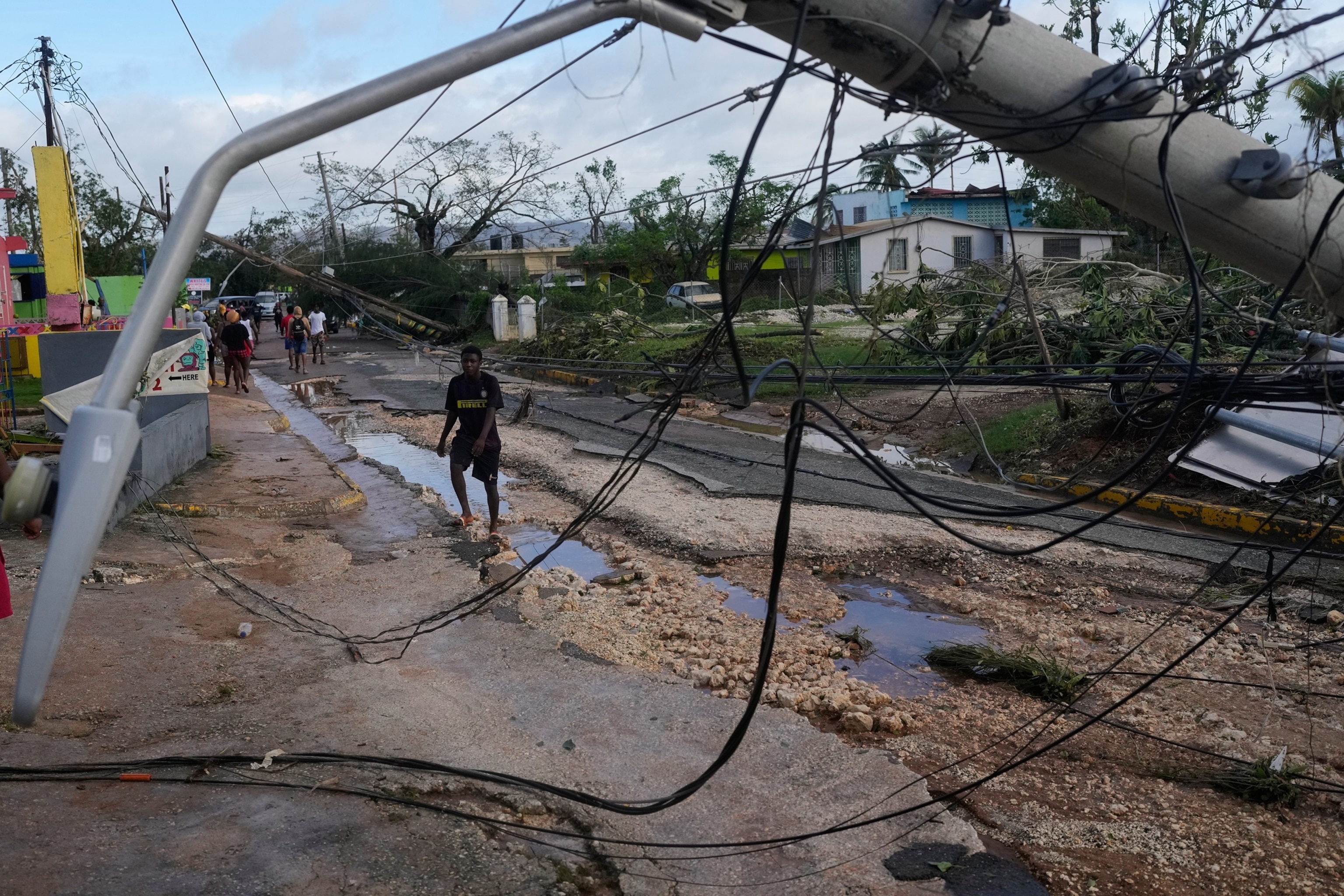
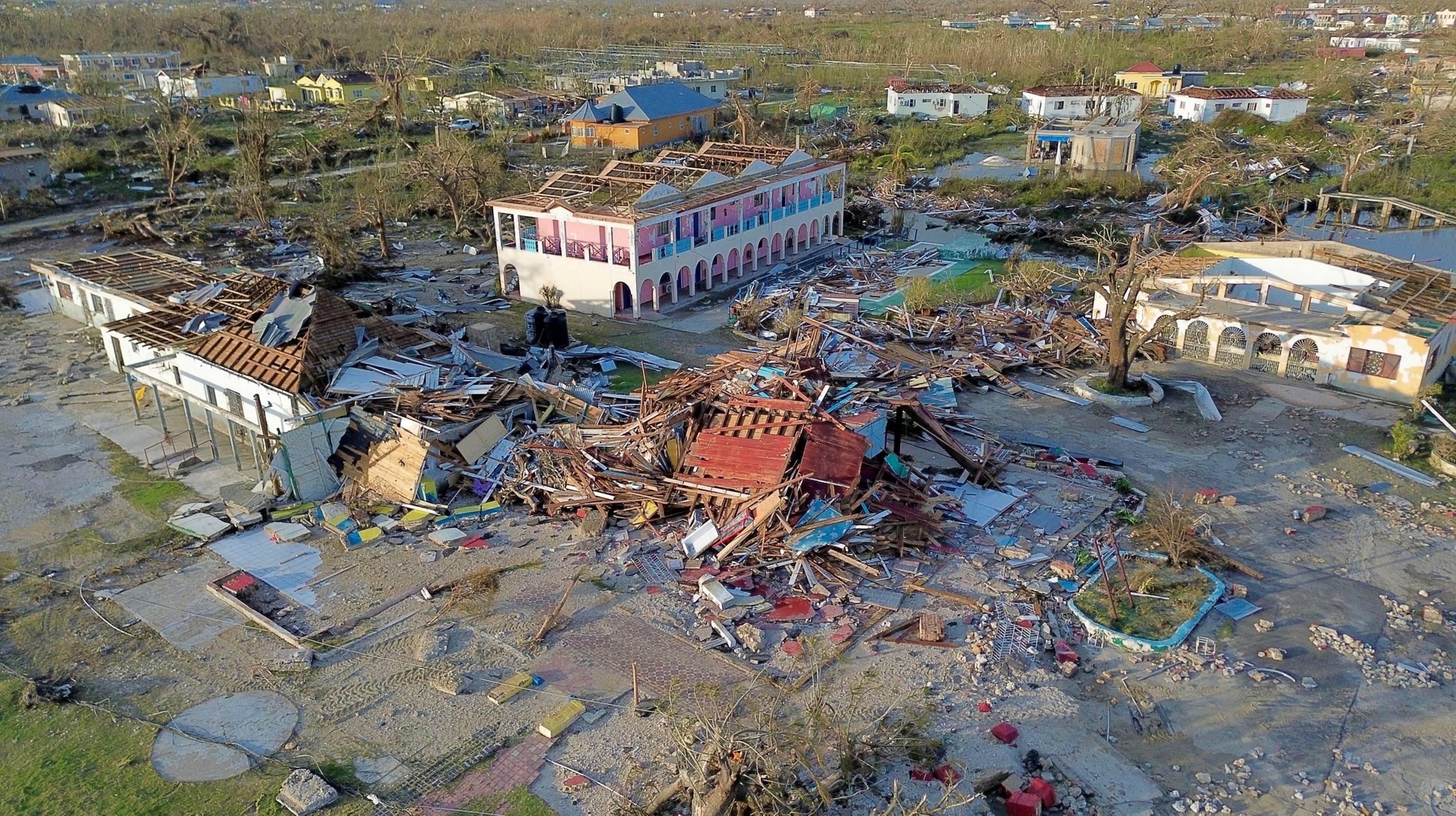
Video footage taken during Prime Minister Holness' helicopter tour of the hard-hit areas showed communities left in ruins. From the air, Holness witnessed entire neighborhoods devastated, with numerous homes missing roofs and walls. The videos showed twisted metal, splinted wood, and chunks of broken concrete strewn across the green landscape for miles.
Black River -- where Hurricane Melissa, packing 185 mph winds, made landfall on Tuesday -- appeared to be one of the most devastated towns that Holness encountered. In all directions, businesses, churches and homes appeared to be damaged or destroyed.
In one of the videos, Holness told residents that 90% of the structures in Black River and nearby St. Elizabeth sustained damage.
Wikipedia: Hurricane Melissa is an extratropical cyclone over the North Atlantic Ocean which was formerly an extremely powerful and catastrophic tropical cyclone. It earlier tied the 1935 Labor Day hurricane as the most intense landfalling Atlantic hurricane and third-most-intense Atlantic hurricane overall by central pressure. Globally, it is the strongest tropical cyclone worldwide in 2025.
The thirteenth named storm, fifth hurricane, fourth major hurricane, and third Category 5 hurricane of the 2025 Atlantic hurricane season, Melissa formed from a tropical wave that was first monitored for development on October 16, 2025. The wave originated from West Africa, traveled from the central Atlantic to the Windward Islands, and then moved quickly westward into the Caribbean Sea, where it slowed down and developed into Tropical Storm Melissa on October 21. Weak steering currents and moderate wind shear kept Melissa meandering and disorganized for the next few days as it slowly moved northwest. Over time, Melissa became better organized, and from October 25 to 27, rapidly intensified into a Category 5 hurricane before making landfall near New Hope, Jamaica, at its peak intensity, on October 28. Melissa emerged from the north coast of Jamaica later that day, weakened, and made landfall near Chivirico, Cuba, the next day. Melissa weakened to a Category 1 hurricane after the landfall, approached Bermuda as a Category 2 hurricane, then again weakened before becoming a hurricane-force extratropical low on October 31 northeast of Bermuda.
As of October 31, at least 56 deaths have been attributed to Melissa, including 30 from flooding and landslides in Haiti and 22 in Jamaica. Preliminary damage is estimated to be at least US$7.7 billion in Jamaica alone.[1]

Comments